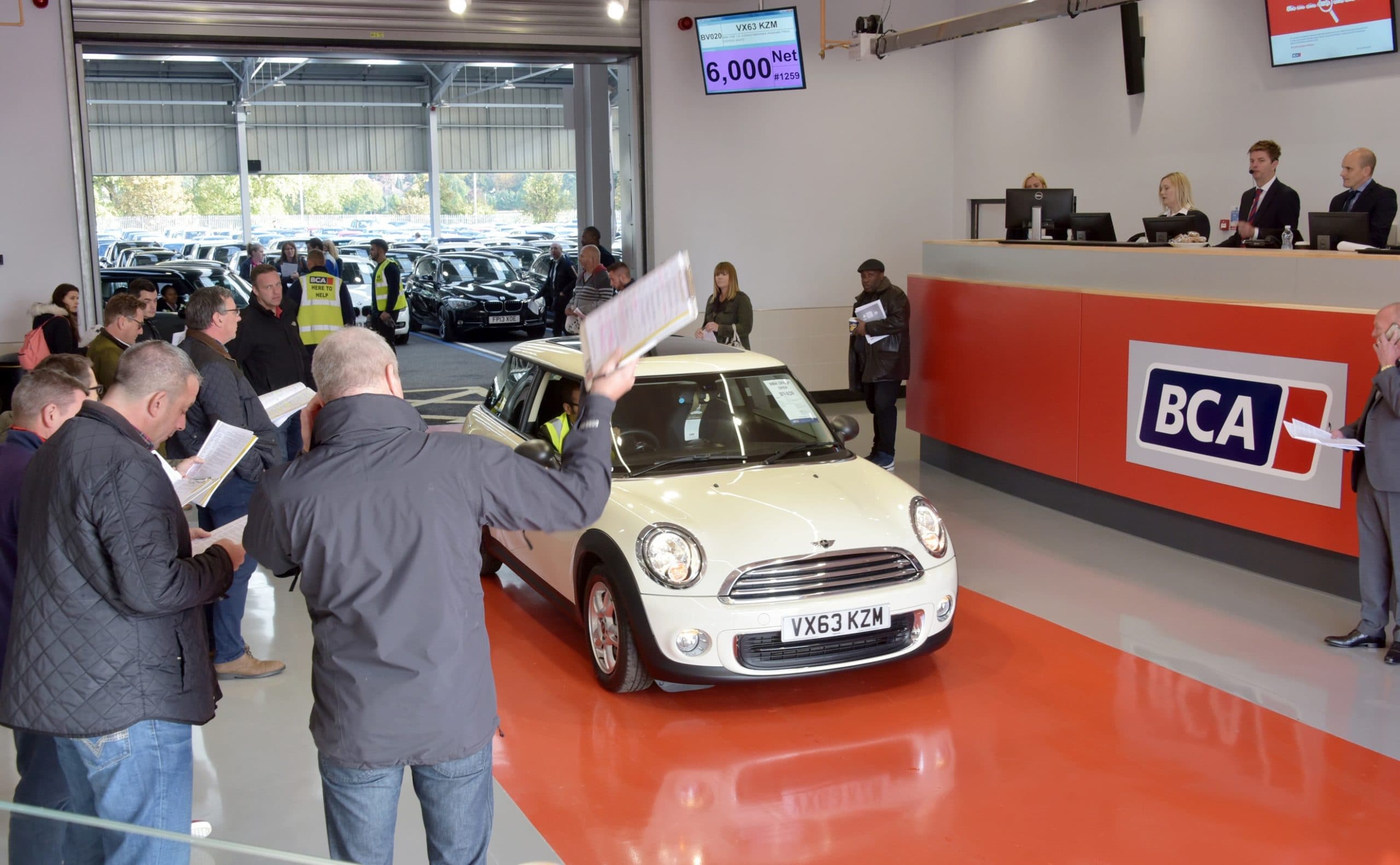
You've found the perfect car. The price is right, the spec is exactly what you want, and the seller seems genuine. Should you really spend another £150-200 on an inspection?
Short answer: almost always yes. Here's why.
What Does a Pre-Purchase Inspection Cover?
Professional inspections typically check 150-200+ points across the vehicle:
Mechanical Checks
- Engine condition, oil leaks, running quality
- Gearbox and clutch operation
- Exhaust system and emissions
- Cooling system and hoses
- Steering and suspension
- Brakes (discs, pads, fluid, lines)
- Driveshafts and CV joints
Electrical Systems
- Battery condition and charging
- Lights and indicators
- Dashboard warning lights
- Central locking and windows
- Air conditioning
- Audio system
Bodywork and Structure
- Accident damage evidence
- Rust and corrosion
- Panel alignment and paint
- Structural integrity
- Windscreen condition
- Tyre condition and age
Interior
- Seats and seatbelts
- Carpet and trim condition
- Dashboard and controls
- Odour and water damage signs
- Mileage verification against wear
Documentation
- V5C verification
- MOT history check
- Service history review
- Outstanding finance check (some providers)
- Mileage discrepancy check
Who Offers Pre-Purchase Inspections?
The AA
- Cost: £133-£199 depending on package
- What you get: Comprehensive inspection, written report, breakdown cover for journey home
- Booking: Online or phone, usually within 48 hours
- Reputation: Well-established, trusted brand
The RAC
- Cost: £149-£239 depending on package
- What you get: Detailed inspection, engineer's report, price negotiation advice
- Booking: Online, typically 24-48 hours notice
- Reputation: Similar standing to AA
Independent Mechanics
- Cost: £50-£150 depending on depth
- What you get: Varies widely, usually more basic than AA/RAC
- Booking: Usually flexible
- Reputation: Depends on the individual mechanic
Specialist Marque Inspectors
- Cost: £200-£400+
- What you get: Expert knowledge of specific makes/models
- Best for: Classic cars, prestige vehicles, specialist models
- Booking: Often need longer notice
When Is an Inspection Essential?
High-Value Purchases
If you're spending £10,000+, a £200 inspection is less than 2% of the purchase. The potential savings from spotting a problem or negotiating down far exceed this cost.
Complex or Problematic Models
Some cars are known for expensive issues:
- BMW – Timing chain problems
- Audi/VW – DSG gearbox issues
- Range Rover – Air suspension, electronics
- Mercedes – Rust, complicated systems
An expert can spot early signs before they become expensive failures.
Private Sales
You have fewer consumer rights with private sales. An inspection provides crucial protection since you can't easily reject a faulty car from a private seller.
When Something Feels Off
Trust your instincts. If the price seems too good, the seller seems evasive, or something just doesn't feel right – an inspection provides peace of mind.
Cars Without Full History
Missing service history means you don't know what maintenance has been done. An inspection can reveal if essential work has been neglected.
When Might You Skip It?
Very Low-Value Cars
For a £1,000 runabout, a £200 inspection represents 20% of the value. A basic check by a trusted local mechanic might be more proportionate.
Manufacturer Approved Used
Cars from franchise dealer approved schemes have already been thoroughly inspected and come with warranties. An additional inspection is less critical (though still valuable).
Cars You Know Well
If you're mechanically knowledgeable and familiar with the specific model, you may spot most issues yourself. But even experts miss things.
New or Nearly-New Cars
A 1-year-old car with 10,000 miles from a main dealer with warranty has lower risk. Though inspection can still catch things the warranty won't cover.
What Happens During the Inspection?
Booking
- Call or book online
- Provide car details (registration, location)
- Schedule appointment (seller needs to be present)
- Pay upfront or on completion
The Inspection
- Engineer arrives at the car's location
- Process takes 1-2 hours
- They'll need keys and documents
- Road test included
- You don't need to be present (but can be)
The Report
- Usually delivered same day (email/online)
- Lists all findings categorised by severity
- Photos of issues found
- Overall recommendation
- Some include market value guidance
After the Report
- Review findings carefully
- Discuss serious issues with the seller
- Negotiate on price if appropriate
- Make your decision with full information
How to Use the Report
Green Light (No Major Issues)
Proceed with confidence. You might still negotiate on minor items, but the car is fundamentally sound.
Amber Warning (Some Concerns)
Issues exist but aren't deal-breakers. Consider:
- Negotiating the price down by the repair cost
- Asking the seller to fix issues before completion
- Walking away if you're not comfortable
Red Alert (Serious Problems)
Major issues found. Options:
- Walk away – usually the wisest choice
- Heavy negotiation – only if you really want the car and can fix it cheaply
- Ask for repairs first – though sellers often won't invest more money
Negotiating After an Inspection
The report is a powerful negotiating tool:
"The inspection found..."
Present findings factually. The written report carries weight – it's not just your opinion.
"The repair cost is estimated at..."
Get a quote for any work needed. This gives you a specific figure to negotiate around.
"I'd still like the car, but at a reduced price"
Shows you're a serious buyer willing to proceed, just at a fair price.
Know When to Walk
If the seller won't negotiate on genuine problems, they're probably not someone you want to do business with anyway.
Real Cost-Benefit Analysis
Scenario A: No inspection
- Buy a £15,000 car
- Gearbox fails after 6 weeks
- Repair cost: £2,500
- Dealer disputes fault timing
- Months of arguments ensue
Scenario B: With inspection
- Pay £170 for AA inspection
- Gearbox wear identified
- Either negotiate £2,000 off, or walk away
- Avoid the problem entirely
The inspection paid for itself 10+ times over.
The Bottom Line
A pre-purchase inspection is one of the best investments you can make when buying a used car. For £150-200, you get:
- Peace of mind
- Negotiating power
- Protection from expensive surprises
- Expert eyes on your purchase
Yes, most inspections come back clean. That's actually the point – you're paying for certainty, not just problem detection.
The times an inspection saves you will more than cover all the times it "just" gave you peace of mind.
Already bought without an inspection and regretting it? Check if you qualify for a rejection – faults that existed at sale are still covered.
Related Topics
.jpg&w=3840&q=75)